You know the sentence. It arrives after the raised voice, the slammed door, the cruel remark said in a quiet voice.
Look what you made me do.
It sounds small. It is not. It moves the weight of someone’s behaviour onto your shoulders, and you carry it, because you love them and you want peace.
How it starts
Nobody begins a relationship planning to blame. It builds slowly. A late reply becomes “you know how I get.” A harsh word becomes “you pushed me.” A broken promise becomes “I wouldn’t have done it if you had listened.”
Little by little, you start managing their reactions. You choose your words with care. You avoid certain topics. You apologise first, even when you are not sure what for.
A story we often see
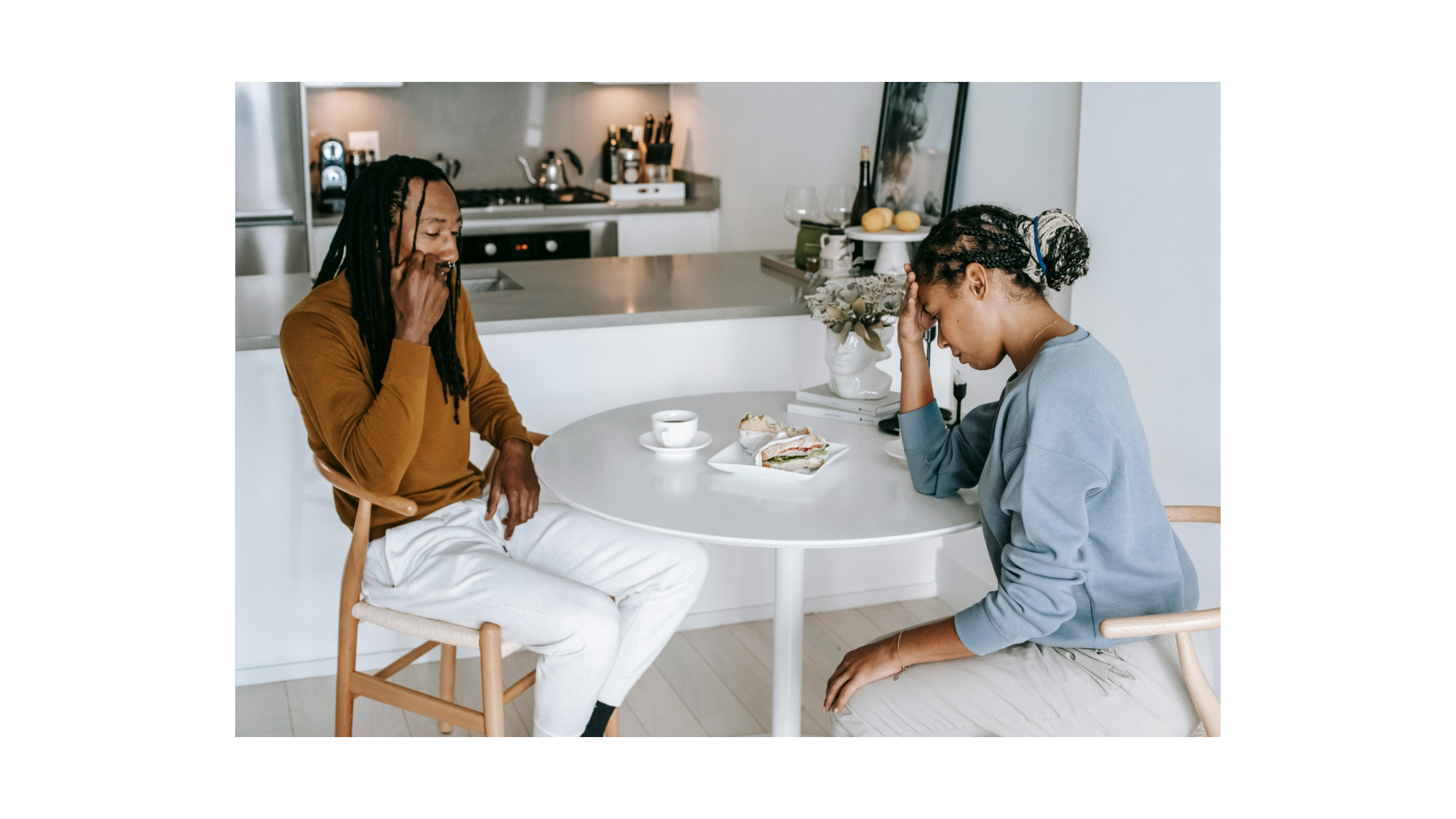
Ruth and Daniel had been married six years. When Daniel lost his temper, which was not often but was always sharp, the conversation afterwards followed the same path. “I would not have shouted if you had just told me earlier.” “You know I hate being ambushed.” “See what you made me do.”
Ruth began to believe it. She told herself that if she were calmer, kinder, more careful, the shouting would stop. She became an expert in his moods and a stranger to her own.
It was only when a friend asked, “Who looks after you when he is upset?” that Ruth realised she had no answer.
This is a story we have heard before.
What is really going on
Sometimes blame-shifting is a habit learned in childhood. A boy who was punished for every mistake may grow into a man who cannot bear to admit one. A girl who was told her feelings were “too much” may learn to deflect before anyone can say it.
That explains the pattern. It does not excuse it. Understanding where it comes from helps you speak with compassion. It does not mean you must keep absorbing the damage.
The difference between a reason and an excuse
You can be hurt, stressed, tired or provoked and still choose your own response. A reason says, “I was overwhelmed, and I handled it badly. I am sorry.” An excuse says, “You made me do it.”
Healthy love can hold the first sentence. It cannot survive on the second.
What to do instead
Name the pattern calmly, in a quiet moment, not in the middle of an argument. Try, “When something goes wrong, I often hear that it is my fault. I would like us to talk about what each of us is responsible for.”
Notice what happens next. Someone who is willing to grow will pause, even if it is uncomfortable. Someone who is not will turn the conversation back on you.
Pay attention to the pattern over time, not to one bad evening. And if you feel afraid, or find yourself shrinking, please read Recognising the Signs You’re in an Abusive Relationship and speak to someone you trust. If the doubt it creates in you runs deep, Gaslighting: When You Start Doubting What You Know to Be True may explain what you are feeling.
If you are the one who says it, there is good news too. Taking responsibility is a skill, and skills can be learned. Start with one sentence: “That was mine.”
You can also read why good intentions do not undo the hurt to see how impact matters as much as intention.
Love does not ask you to carry what is not yours. A strong marriage is built on two people who can say, “I did that, and I will do better.”
If you want to read more about what love actually requires, my book Love Isn’t Enough opens with my own story. You can read the first chapter free.
With love,
Anita