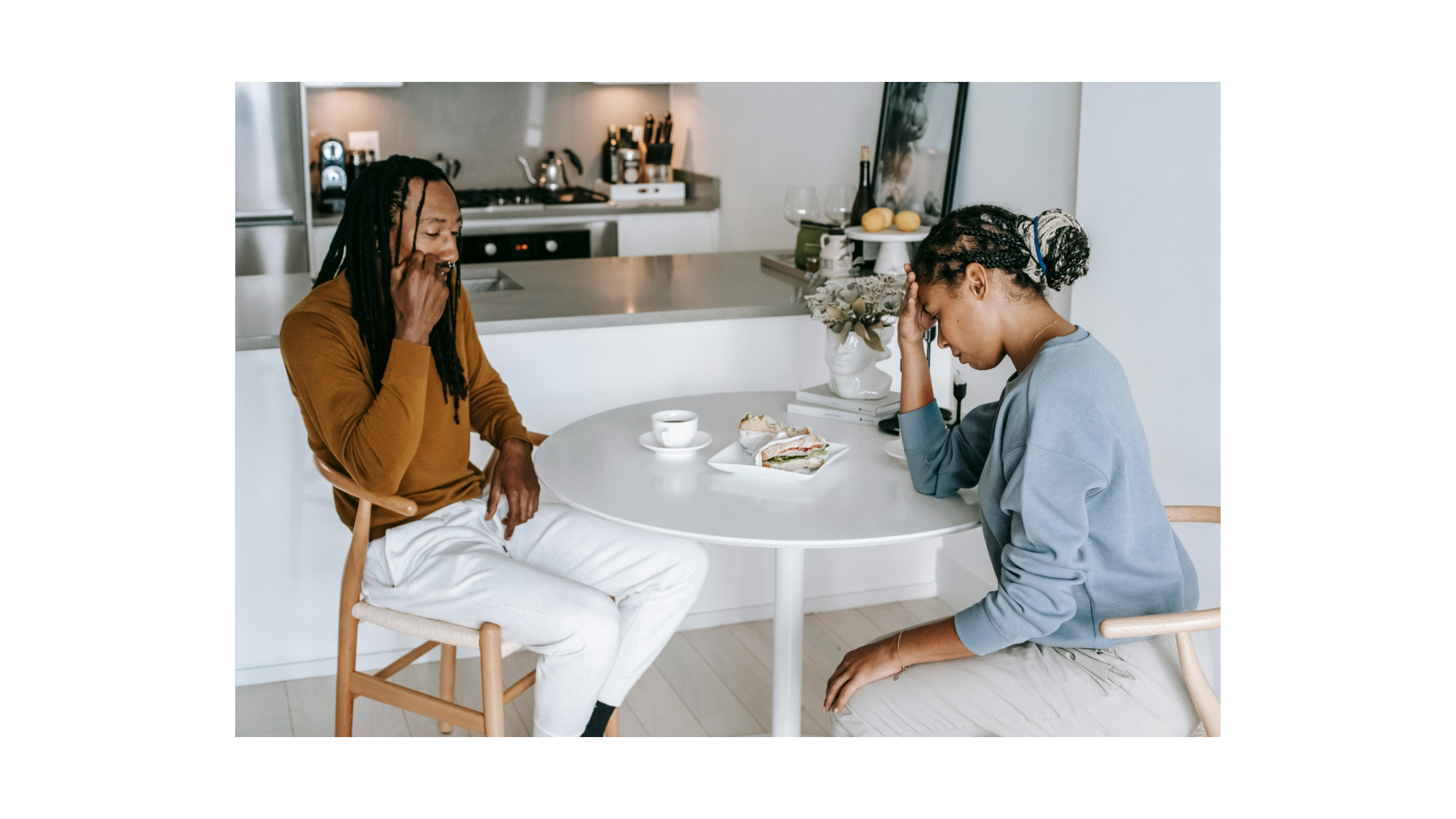

Priya was still holding the dish towel when Pavan said it.
“I’m sorry you feel that way.”
He had said it quickly, almost kindly, the way you hand someone a tissue so the crying will stop. And she did stop. She nodded, folded the towel and put it away.
But something in her closed that night. She had not been given an apology. She had been given a sentence that sounded like one.
Pavan believed the matter was settled. Priya knew it was only buried. Neither of them said another word, and the quiet that followed sat between them for days.
This is a story we have heard before.
Why “sorry” so often falls flat
Most of us learned to apologise as children. Someone older stood over us and said, “Say sorry.” So we said it, with our eyes on the floor, and we were told to go and play.
Nobody taught us that a real apology is not a word. It is an act of humility.
In marriage, the words “I’m sorry” can carry a great deal or almost nothing. It depends on what is behind them. A hurried sorry says, “Please stop being upset.” A real one says, “I see what I did, I see what it cost you, and I want to put it right.”
Your spouse can feel the difference. They always can.
Five ways to apologise and really mean it
1. Name exactly what you did.
“I’m sorry for everything” is too easy to say and too easy to forget. Try, “I’m sorry I spoke over you in front of your family.” Being specific shows you were paying attention. It tells your spouse they were seen.
2. Leave out the “but”.
“I’m sorry, but you also…” cancels everything that came before it. There is a time to talk about your own hurt, but it is not in the same breath as your apology. Say sorry first. Let it stand on its own.
3. Speak to the impact, not just the intention.
Perhaps you did not mean to hurt them. Say so only after you have acknowledged that they were hurt. “I can see that it hurt you, and I am sorry it did” opens a door. “I didn’t mean it that way” often closes it.
4. Do not ask for forgiveness in the same moment.
“Can you forgive me?” puts the weight back on the person you hurt. Offer your apology as a gift, not a request. Forgiveness is theirs to give, in their own time. Many of us were taught to forgive quickly, but healing does not run to anyone’s schedule.
5. Let your behaviour finish the sentence.
An apology without change is only a pause before the next hurt. Say what you will do differently, then do it. Trust is rebuilt in small, ordinary days, not in one dramatic speech.
And if you are the one waiting for an apology
Be honest about what you need. Tell your spouse what would help you feel heard, without keeping score and without making them guess. A good marriage is not one where nobody hurts the other. It is one where both people know the way back.
If the same hurt keeps returning and the apologies no longer seem to reach it, that is not failure. It is a sign that you may both need a little help. That is what a counsellor is for.
A Place to Rest
If you are carrying words you have not yet said, or an apology you have been waiting years to hear, let this be a quiet place to set them down for a moment.
You do not have to get it perfect. You only have to begin honestly. There is grace for the one who apologises and for the one who forgives, and healing often starts with a single, sincere sentence.
With love,
Anita
You do not have to heal alone. Join S.H.E. (Share. Heal. Excel.), our free, confidential gathering for women, and be heard. Join the S.H.E. group
If you and your spouse would like a safe space to talk, book a counselling session with me.
Never miss a post. If this spoke to you, sign up to receive my newsletter, so every new read, reflection and invitation lands gently in your inbox. Sign up here
Try the Ready and Staying app for free: https://app.shereallyheals.com
If this was for you, tap the like button below. It tells me you want more of this, and I will write more.