
“I didn’t mean it like that.”
If you have ever said it, you probably meant it. And if you have ever heard it, you probably felt something shut a little, as though the conversation was over before it began.
Here is what most of us were never taught. What you meant and what the other person felt are two different things. Both are real. And only one of them is the thing they have to live with.
Intent Is What You Carried. Impact Is What They Received.
Intent lives inside you. It is the reason behind your words, the picture in your head, the care you hold in your heart.
Impact lives inside them. It is how the words landed, what they heard, and what it stirred up from years before you ever met.
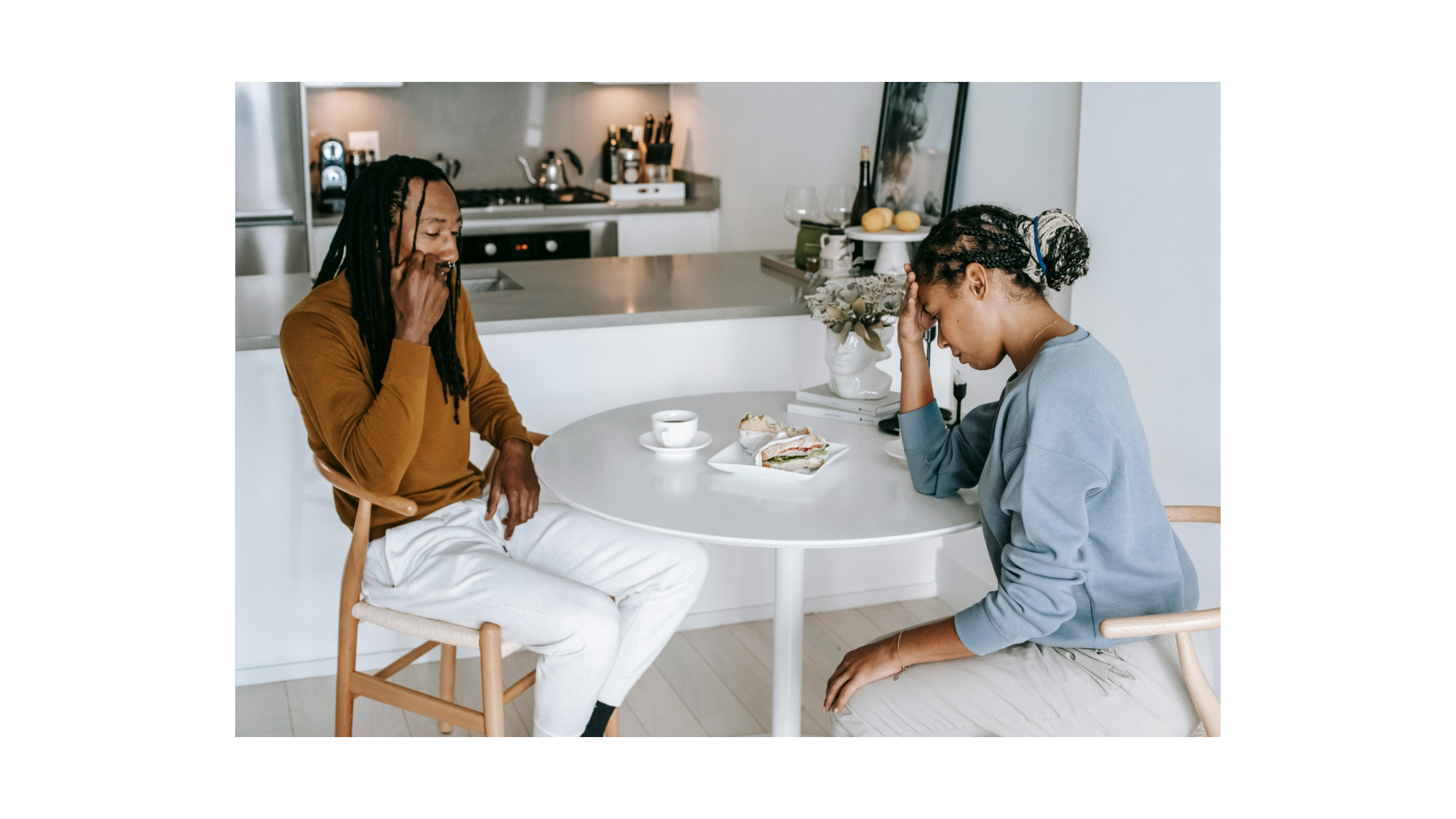
Most arguments in marriage are not really about the original moment. They are about a gap. One person is defending their intention. The other is trying to be heard about the impact. Neither is wrong, and yet both go to bed lonely.
Why “I Didn’t Mean It” Makes It Worse
When you say, “I didn’t mean it that way,” you are usually trying to repair. You want them to know you are not the villain in their story.
But to the person who is hurt, it can sound like something different. It can sound like, your pain is a misunderstanding. It can sound like, please stop feeling what you are feeling, because it is inconvenient to me.
So the hurt does not leave. It simply goes quiet. And quiet hurt, collected over years, becomes distance.
Why the Impact Can Be Bigger Than You Expected
Sometimes a small comment lands with great force, and you are left bewildered. “It was only a joke. Why are you so upset?”
Often it is because the words touched something older. A childhood of being compared. A season of being dismissed. A time when love felt conditional, and one careless sentence echoed it. This is often the inner child responding, long before the adult has had time to think.
You did not create that wound. But you stepped on it. And part of loving someone is learning where the tender places are.
A Story We Often See
A couple once sat in my office, each convinced the other was being unfair.
He had said, in passing, that his wife “always” took a long time to get ready. He laughed as he said it. To him, it was a warm tease, the kind he had grown up around.
She had gone silent for two days.
When he finally asked what was wrong, she told him, quietly, that she had spent her whole childhood being told she was slow. Slow to learn, slow to speak, slow to catch up. Hearing it from the one person she trusted most had felt like being found out.
He sat very still. Then he said, “I would never want to make you feel like that.”
She said, “I know. But I did feel it.”
That was the turning point. He did not defend himself. He did not explain. He said, “I am sorry it hurt you. I did not know. Thank you for telling me.” And for the first time in days, her shoulders came down.
This is a story we have heard before.
What to Say Instead
You can hold both truths. You can care about your intention and still honour their experience. Try this:
Start with the impact. “I can see that hurt you.”
Take responsibility without drowning in it. “I am sorry my words landed that way.”
Offer your intention gently, after. “I did not mean to hurt you. I was trying to…” Notice the order. Intent comes second, never first.
Ask what they need. “What would help right now?”
Change something. An apology without a change is only a pause.
And If You Are the One Who Was Hurt
You are not too sensitive. Your feelings are information, not an accusation.
You can say, “I know you did not mean it, and it still hurt me.” Both parts are true, and saying both keeps the door open.
If you have said it many times and nothing changes, that is worth noticing too.
A Place to Rest
Whatever your faith, there is something humbling and freeing in the truth that none of us loves perfectly. We all wound people we care about. The measure of a good marriage is not that nobody gets hurt. It is that when someone does, the other leans in and says, “Tell me. I want to understand.”
Your love was never in question. What matters now is how well you listen to what it has cost.
With love,
Anita
If you and your partner keep having the same argument, and each of you feels unheard, you do not have to untangle it alone. Book a marriage counselling session with Anita and learn to hear each other, not just defend yourselves.