
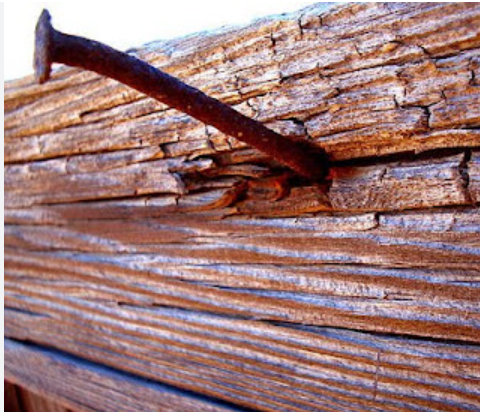
There once was a little boy who struggled deeply with his temper. His anger would rise quickly, and his words would spill out before he had time to think. Wanting to teach him a lasting lesson, his father gave him a bag of nails and said,
“Every time you lose your temper, go to the fence and hammer in one nail.”
The first day, the boy drove 37 nails into the fence. His anger was loud, fast, and exhausting. Before long, the bag was empty.
Over the following weeks, something began to change. With patience and guidance, the boy started learning how to pause before reacting. Each time he managed to control his anger, his father told him to remove a nail from the fence. Day by day, the nails became fewer. Eventually, the fence stood with no nails at all.
Then the father gently took his son by the hand and led him back to the fence.
“You’ve done well, my son,” he said. “But look closely.”
The fence was still full of holes.
“It will never be the same,” the father continued. “When you speak or act in anger, you leave wounds like these. You can apologise. You can say you’re sorry a hundred times. But the scars may remain. Words spoken in anger cut deeper than we often realise.”
And this is where the lesson meets us.
Anger is a human emotion—but unmanaged anger becomes destructive. It damages trust, fractures relationships, and leaves emotional wounds that time alone does not always heal. At She Really Heals, we often see how unresolved anger is linked to deeper pain—unhealed trauma, stress, fear, abuse, disappointment, or feeling unheard.
So how do we begin to heal anger instead of passing it on?
Gentle guides to help you respond, not react:
• Pause before you speak – Silence is not weakness; it’s wisdom. A few seconds can prevent years of regret.
• Name what you’re really feeling – Anger often masks hurt, fear, or exhaustion. Ask yourself, What am I truly reacting to?
• Breathe before responding – Slow, deep breaths calm your nervous system and bring clarity back to your mind.
• Put yourself in the other person’s place – Ask, If this were said to me, how would it land?
• Choose words that heal, not harm – You can be honest without being cruel.
• Apologise quickly and sincerely – Not to escape consequences, but to restore connection.
• Seek support when anger feels overwhelming – Counselling and trauma-informed support help uncover the root of repeated anger patterns.
Healing anger is not about pretending you’re fine. It’s about learning healthier ways to express pain, disappointment, and frustration without harming yourself or others.
Kindness, compassion, and forgiveness—especially toward yourself—are powerful tools in this process. When you heal your anger, you don’t just change your reactions; you change the atmosphere around you.
Remember:
You can’t always erase the holes, but you can stop making new ones.
And that is where true healing begins.




